
Creativity is the heart of the entertainment industry. Without creativity, movies would feel empty, music would sound repetitive, and shows would fail to capture attention. From storytelling and performance to visuals and sound, creativity shapes every part of entertainment.
Understanding the role of creativity in the entertainment industry helps explain why some content becomes timeless while others are quickly forgotten. In this article, we explore how creativity drives innovation, connects with audiences, and keeps entertainment fresh in a fast-changing world.
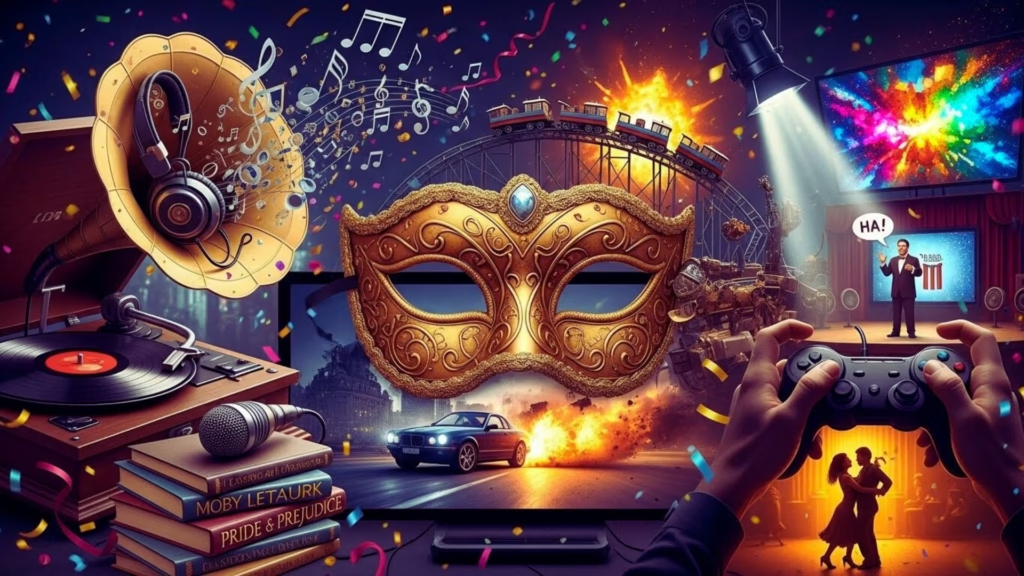
What Is Creativity in Entertainment?
Creativity is the ability to produce original ideas, stories, sounds, or experiences. In entertainment, creativity turns imagination into content that people enjoy, remember, and share.
Creativity appears in:
- Storytelling and scripts
- Music composition
- Acting and performance
- Visual design and effects
- Direction and production
Every successful entertainment project begins with a creative idea.
Why Creativity Is Essential in Entertainment
Entertainment exists to engage emotions and imagination.
Creativity helps to:
- Capture attention
- Evoke emotions
- Create memorable experiences
- Differentiate content
Without creativity, entertainment becomes predictable and dull.
1. Creativity Drives Original Storytelling
Stories are the foundation of entertainment.
Creative storytelling:
- Introduces new ideas
- Explores unique perspectives
- Avoids repetition
Original stories help content stand out in a crowded industry.
2. Creativity Helps Build Emotional Connection
Audiences connect emotionally with creative content.
Emotional impact comes from:
- Relatable characters
- Authentic dialogue
- Meaningful themes
Creativity allows stories to feel human and real.
3. Creativity Encourages Innovation
Innovation keeps entertainment evolving.
Creative innovation includes:
- New formats
- Fresh genres
- Unique visual styles
Creative risk-taking often leads to new trends.
You Can Also Read: simplicity wins entertainment
4. Creativity Shapes Cultural Influence
Entertainment influences culture.
Creative content:
- Reflects social values
- Challenges norms
- Inspires conversations
Creative works often become cultural milestones.
5. Creativity Helps Content Stand Out
Competition is intense.
Creativity allows:
- Unique brand identity
- Distinct storytelling voice
- Memorable experiences
Creative content is easier to recognize and remember.
6. Creativity Fuels Music and Sound
Music depends heavily on creativity.
Creative sound design:
- Expresses emotion
- Sets mood
- Enhances storytelling
Music innovation often defines generations.
7. Creativity Supports Visual Storytelling
Visuals play a key role.
Creative visuals include:
- Cinematography
- Costume design
- Set design
Visual creativity enhances immersion.
8. Creativity Improves Audience Engagement
Engaged audiences return.
Creativity encourages:
- Curiosity
- Emotional investment
- Long-term loyalty
Audiences follow creative brands and creators.
9. Creativity Adapts to Changing Audience Tastes
Audience preferences evolve.
Creative flexibility allows:
- Trend adaptation
- Cultural relevance
- Audience connection
Creativity helps entertainment stay current.
10. Creativity Supports Diversity and Representation
Creative freedom promotes inclusion.
Creative storytelling:
- Amplifies diverse voices
- Explores new perspectives
- Reflects real society
Diversity strengthens creative output.
11. Creativity Balances Art and Business
Entertainment is both art and industry.
Creativity helps:
- Create marketable ideas
- Build long-term brands
- Attract audiences and investors
Creative success often leads to commercial success.
12. Creativity Solves Production Challenges
Limitations inspire creativity.
Creative problem-solving includes:
- Budget-friendly ideas
- Innovative filming techniques
- Resourceful storytelling
Constraints often lead to originality.
13. Creativity Builds Timeless Content
Trends change quickly.
Creative classics:
- Remain relevant
- Connect across generations
- Avoid overdependence on trends
Timeless content is rooted in creativity, not trends.
14. Creativity Inspires Collaboration
Entertainment is collaborative.
Creativity thrives through:
- Team collaboration
- Shared ideas
- Diverse talents
Collaboration strengthens creative results.
15. Creativity Can Be Developed
Creativity is not limited to a few.
It grows through:
- Practice
- Curiosity
- Exposure to ideas
- Experimentation
Creative skills improve over time.
Creativity, Strategy, and Smart Entertainment Choices
Understanding creativity requires awareness of trends, audience behavior, and strategic thinking. Platforms like
mini turf promote insight, analysis, and creative awareness—qualities that align well with navigating the entertainment industry and recognizing the value of originality.
Challenges Creativity Faces Today
Creativity faces pressure.
Common challenges include:
- Commercial demands
- Fear of risk
- Content overload
Protecting creative freedom is essential.
Technology and Creativity
Technology supports creativity when used wisely.
Creative technology use includes:
- Digital tools
- Editing software
- Streaming platforms
Technology enhances creativity, not replaces it.
The Future of Creativity in Entertainment
Creativity will remain essential.
Future trends include:
- Interactive content
- Global storytelling
- New creative formats
Innovation will continue to shape entertainment.
Final Thoughts
Creativity plays a central role in the entertainment industry. It drives storytelling, innovation, emotional connection, and cultural influence. Without creativity, entertainment loses its meaning and power.
In a competitive and fast-changing world, creativity is the key to staying relevant. It transforms ideas into experiences and content into memories.
No matter how technology evolves, creativity will always be the soul of entertainment.