
Competitive sports are built on the desire to win. Athletes train hard, teams plan strategies, and fans expect exciting performances. However, winning alone is not what gives sports their true value. Fair play is what makes competition meaningful, respected, and inspiring.
Understanding the importance of fair play in competitive sports helps explain why rules, respect, and integrity matter just as much as skill and talent. In this article, we explore what fair play means, why it is essential, and how it protects the spirit of sports.
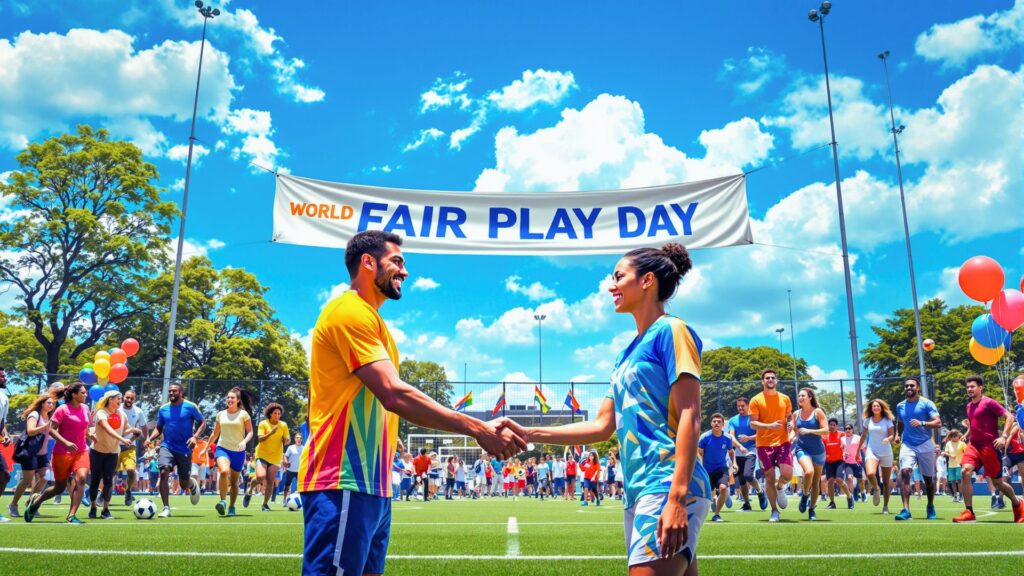
What Is Fair Play in Sports?
Fair play means competing honestly and respectfully while following the rules of the game. It goes beyond written rules and includes ethical behavior, respect for opponents, and sportsmanship.
Fair play includes:
- Respecting rules and officials
- Treating opponents fairly
- Accepting outcomes honestly
- Competing with integrity
Fair play ensures that competition remains healthy and meaningful.
Why Fair Play Is the Foundation of Sports
Sports lose value without fairness.
Fair play ensures:
- Equal opportunity
- Trust in results
- Respect between competitors
Without fair play, winning becomes meaningless and competition loses credibility.
1. Fair Play Protects the Integrity of Competition
Integrity means honesty and trust.
Fair play:
- Ensures results are earned
- Prevents cheating
- Maintains credibility
When athletes compete fairly, outcomes are respected by everyone.
2. Fair Play Builds Mutual Respect
Respect is essential in competition.
Respect is shown by:
- Acknowledging opponents
- Accepting referee decisions
- Avoiding unsportsmanlike behavior
Respectful competition strengthens sports culture.
3. Fair Play Teaches Strong Moral Values
Sports shape character.
Fair play teaches:
- Honesty
- Responsibility
- Discipline
- Accountability
These values extend beyond sports into everyday life.
4. Fair Play Encourages Healthy Competition
Healthy competition improves performance.
Fair play:
- Pushes athletes to improve
- Prevents harmful behavior
- Creates positive rivalry
Winning through fairness is more rewarding.
You Can Also Read: Sports Build Leadership Skills
5. Fair Play Protects Athlete Safety
Unfair play often leads to harm.
Fair play:
- Reduces dangerous behavior
- Encourages respect for physical limits
- Promotes player safety
Safety is a key part of ethical competition.
6. Fair Play Sets a Positive Example for Youth
Young athletes learn by watching.
Positive examples include:
- Respecting rules
- Accepting loss gracefully
- Winning with humility
Fair play helps shape responsible future athletes.
7. Fair Play Strengthens Team Culture
Teams succeed through trust.
Fair play within teams:
- Builds unity
- Encourages cooperation
- Reduces conflict
Strong team culture depends on fairness.
8. Fair Play Preserves the Spirit of Sports
Sports are more than results.
The spirit of sports includes:
- Enjoyment
- Respect
- Passion
- Integrity
Fair play keeps sports enjoyable and meaningful.
9. Fair Play Enhances Fan Trust and Support
Fans expect honest competition.
Fair play:
- Builds fan loyalty
- Protects the reputation of sports
- Maintains excitement
Unfair behavior damages public trust.
10. Fair Play Prevents Long-Term Damage to Sports
Cheating harms sports long-term.
Consequences include:
- Loss of credibility
- Reduced participation
- Damaged reputation
Fair play protects the future of sports.
11. Fair Play Encourages Acceptance of Results
Winning and losing are part of sports.
Fair play teaches athletes to:
- Accept defeat
- Celebrate responsibly
- Learn from outcomes
Graceful behavior shows true sportsmanship.
12. Fair Play Applies to Officials and Coaches Too
Fairness is a shared responsibility.
Officials and coaches must:
- Enforce rules fairly
- Set ethical standards
- Promote respect
Leadership shapes fair competition.
13. Fair Play Helps Resolve Conflict
Disagreements happen in sports.
Fair play encourages:
- Respectful communication
- Rule-based decisions
- Conflict resolution
This prevents escalation and negativity.
14. Fair Play Builds Long-Term Success
Shortcuts lead to short success.
Fair play supports:
- Sustainable performance
- Strong reputation
- Career longevity
Athletes known for fairness earn lasting respect.
15. Fair Play Reflects the True Meaning of Victory
True victory is earned honestly.
Fair wins:
- Feel meaningful
- Are respected by opponents
- Inspire others
Winning without fairness brings no pride.
Fair Play, Awareness, and Sports Culture
Understanding fair play requires awareness, ethical thinking, and respect for the game. Platforms like
turf dernière minute encourage insight, analysis, and responsible engagement—qualities that align closely with promoting integrity, fairness, and respect in competitive sports.
Challenges to Fair Play in Modern Sports
Modern sports face pressure.
Common challenges include:
- Financial incentives
- Performance pressure
- Media attention
Strong values are needed to protect fair play.
How Athletes Can Practice Fair Play
Athletes play a direct role.
Simple actions include:
- Respecting opponents
- Following rules
- Controlling emotions
- Accepting decisions
Small actions make a big difference.
The Role of Fans in Supporting Fair Play
Fans influence sports culture.
Fans should:
- Promote respectful behavior
- Avoid encouraging cheating
- Support ethical competition
Positive fan behavior supports fair play.
Fair Play Beyond Sports
Fair play applies to life.
Life lessons include:
- Honesty in work
- Respect in relationships
- Integrity in decisions
Sports prepare people for ethical living.
Final Thoughts
Fair play is the heart of competitive sports. It ensures that competition is honest, respectful, and meaningful. Without fair play, sports lose trust, safety, and value.
Winning matters, but how you win matters more. Fair play builds character, protects athletes, and preserves the spirit of competition. It teaches lessons that last far beyond the field.
In competitive sports, fair play is not a weakness—it is the strongest foundation of true success.