
Leadership is not only learned in classrooms or offices. One of the strongest environments for developing leadership skills is sports. Whether played at school, professionally, or recreationally, sports naturally teach people how to lead, support others, and take responsibility.
Understanding how sports build leadership skills helps explain why many great leaders have a background in athletics. In this article, we explore how sports develop leadership qualities that last a lifetime.
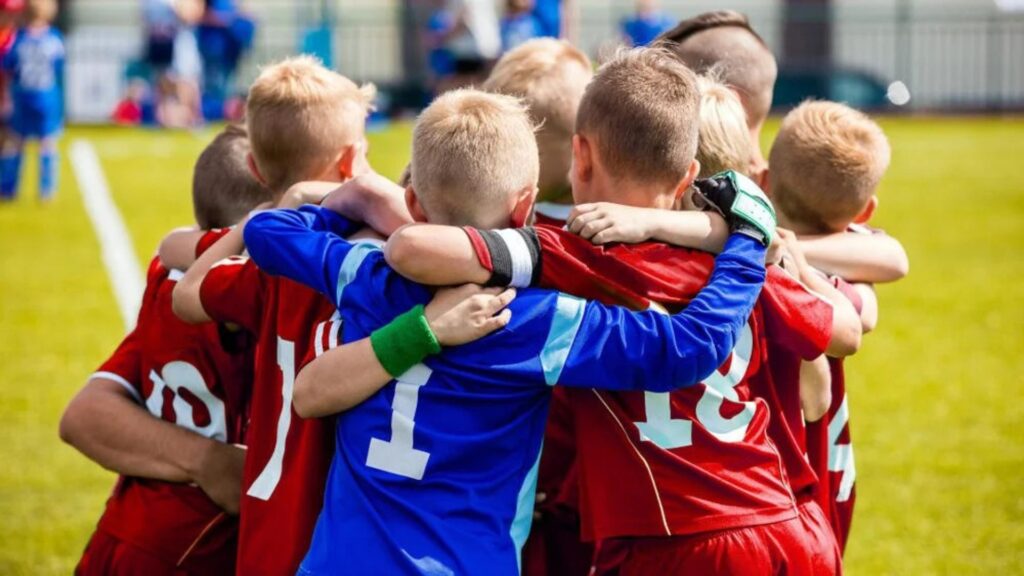
What Is Leadership in Sports?
Leadership in sports means guiding, motivating, and supporting others toward a shared goal. Leaders in sports are not always captains or the most talented players. True leadership comes from behavior, attitude, and influence.
Sports leadership includes:
- Taking responsibility
- Setting an example
- Communicating clearly
- Supporting teammates
These qualities translate directly into life and work environments.
Why Sports Are Ideal for Leadership Development
Sports create real situations that require leadership.
Sports environments offer:
- High-pressure moments
- Team-based goals
- Clear rules and structure
- Immediate feedback
These conditions help leadership skills develop naturally.
1. Sports Teach Responsibility
Athletes learn that actions affect the team.
Responsibility lessons include:
- Showing up on time
- Giving full effort
- Accepting mistakes
Leaders learn to take ownership rather than make excuses.
2. Sports Develop Confidence
Confidence is essential for leadership.
Sports build confidence by:
- Setting goals
- Overcoming challenges
- Experiencing progress
Confident individuals are more willing to lead others.
3. Sports Teach Communication Skills
Clear communication is critical in sports.
Athletes learn to:
- Give instructions
- Listen actively
- Offer feedback
Strong communication builds trust and coordination.
4. Sports Teach Teamwork and Collaboration
Leadership is not about control.
Team-based leadership involves:
- Understanding roles
- Encouraging cooperation
- Supporting others
Good leaders put the team first.
5. Sports Teach Emotional Control
Leaders must stay calm under pressure.
Sports teach athletes to:
- Manage stress
- Control emotions
- Stay focused
Emotional discipline strengthens leadership presence.
6. Sports Encourage Decision-Making
Athletes make quick decisions.
Decision-making skills include:
- Assessing situations
- Choosing actions fast
- Adapting to change
Leaders learn to act confidently and responsibly.
7. Sports Teach Accountability
Accountability is a core leadership trait.
Athletes learn to:
- Accept criticism
- Learn from failure
- Improve performance
Leaders grow by taking feedback seriously.
8. Sports Build Respect Through Action
Respect is earned, not demanded.
Athletes gain respect by:
- Leading by example
- Staying disciplined
- Supporting teammates
Actions speak louder than words.
9. Sports Create Natural Leadership Opportunities
Leadership emerges naturally in sports.
Opportunities include:
- Captaining teams
- Supporting new players
- Motivating during tough moments
Sports allow leadership practice in real time.
10. Sports Teach Goal Setting
Leaders focus on direction.
Athletes learn to:
- Set team goals
- Track progress
- Stay committed
Goal-driven thinking strengthens leadership focus.
11. Sports Teach Conflict Resolution
Disagreements happen in teams.
Athletes learn to:
- Resolve issues respectfully
- Communicate openly
- Maintain unity
Conflict management is a vital leadership skill.
12. Sports Teach Resilience
Leaders must handle setbacks.
Resilience comes from:
- Losing games
- Facing challenges
- Recovering from mistakes
Strong leaders stay positive during adversity.
13. Sports Encourage Mentorship
Experienced athletes guide others.
Mentorship includes:
- Teaching skills
- Offering encouragement
- Sharing experience
Great leaders help others grow.
14. Sports Teach Ethical Leadership
Sports emphasize fairness.
Ethical lessons include:
- Respecting rules
- Fair play
- Integrity
Ethical leadership builds trust.
15. Sports Leadership Applies Beyond the Field
Leadership skills transfer to life.
Benefits include:
- Workplace leadership
- Community involvement
- Personal confidence
Sports prepare individuals to lead in many areas.
Leadership, Strategy, and Personal Growth
Understanding leadership development requires awareness and reflection. Platforms like
turf dernière minute encourage insight, strategic thinking, and long-term development—qualities that align closely with the leadership skills built through sports.
Individual Sports Also Build Leadership
Even solo athletes develop leadership.
Leadership traits include:
- Self-discipline
- Mental strength
- Personal accountability
Leadership starts with self-leadership.
The Role of Coaches in Leadership Development
Coaches influence leadership growth.
Good coaches:
- Encourage responsibility
- Promote communication
- Support emotional development
Positive coaching environments build strong leaders.
Teaching Leadership to Youth Through Sports
Sports are powerful tools for youth development.
Youth leadership benefits include:
- Confidence building
- Social skills
- Responsibility
Early exposure shapes future leaders.
Final Thoughts
Sports build leadership skills by teaching responsibility, communication, emotional control, and teamwork. Athletes learn to lead by example, support others, and handle pressure—skills that extend far beyond sports.
Leadership developed through sports lasts a lifetime. Whether in school, work, or community life, these lessons remain valuable.
Sports do not just create athletes. They create confident, disciplined, and capable leaders ready to guide others toward success.