
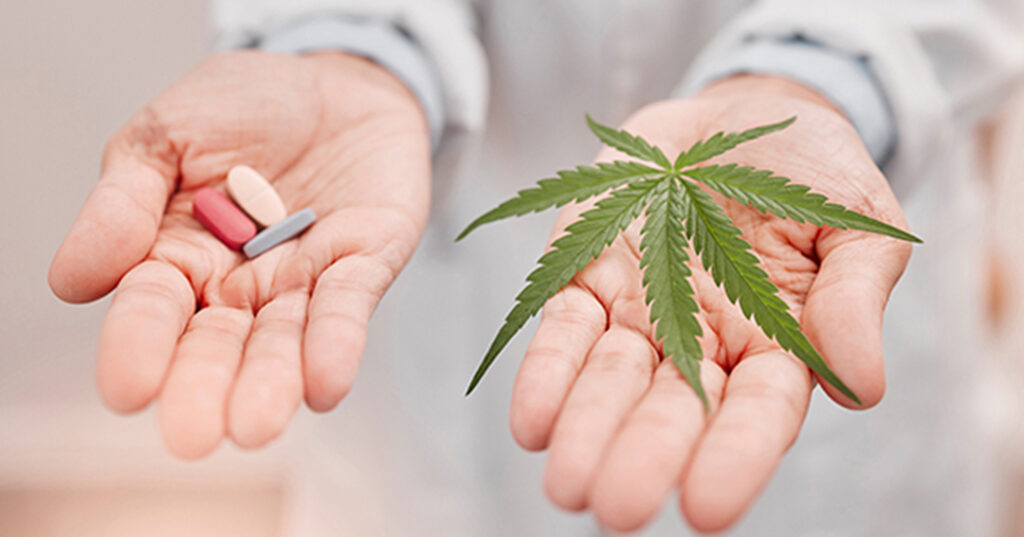
Medical cannabis has become one of the most widely discussed and researched plant-based therapies in modern healthcare. Once surrounded by controversy, it is now gaining recognition as a legitimate treatment option for individuals managing chronic pain, stress, inflammation, and various long-term health conditions. Backed by growing scientific evidence, medical cannabis is reshaping how people approach their wellness journeys and long-term health goals.
What Is Medical Cannabis?
Medical cannabis refers to the therapeutic use of the cannabis plant and its active compounds—primarily cannabinoids like THC, CBD, CBN, and CBG—to support health and ease symptoms. These compounds interact with the body’s endocannabinoid system (ECS), which plays a major role in regulating pain, mood, inflammation, digestion, sleep, and immune responses.
Unlike recreational use, medical cannabis focuses on safe, controlled, and intentional dosing, often under professional guidance. Patients can choose from a wide range of products including tinctures, oils, edibles, capsules, and topical applications.
Historical and Modern Use of Cannabis in Medicine
Cannabis has been used in healing practices for thousands of years, from early Chinese medicine to Ayurvedic traditions. It was widely used in Western medicine during the 19th and early 20th centuries before prohibition restricted access.
Today, cannabis is experiencing a major resurgence as modern research validates many of its traditional uses. Clinical studies, patient feedback, and advancements in cannabinoid science have helped position medical cannabis as a respected therapeutic option.
Evidence-Backed Health Benefits of Medical Cannabis
Growing research points to several meaningful, evidence-supported benefits of medical cannabis, especially for long-term health management.
1. Chronic Pain Relief
Medical cannabis is widely used to help manage chronic pain conditions such as neuropathy, arthritis, lower back pain, and migraines. Cannabinoids influence pain receptors and reduce inflammation, offering natural relief without the risks associated with opioids.
2. Improved Sleep Quality
Many individuals struggling with insomnia, restless nights, or sleep interruptions have found cannabis helpful. Certain strains and cannabinoid ratios can promote relaxation and deeper, restorative sleep.
3. Mood and Stress Support
Cannabis may provide calming effects that help with stress, anxiety symptoms, and emotional imbalance. CBD in particular has gained recognition for its non-intoxicating support for relaxation and mental clarity.
4. Anti-Inflammatory Potential
Inflammation is at the root of many chronic conditions. Cannabinoids like CBD and CBG have demonstrated anti-inflammatory properties that may help individuals with arthritis, autoimmune concerns, and chronic musculoskeletal discomfort.
5. Appetite and Digestive Support
Medical cannabis is also used to help manage nausea, appetite loss, and digestive discomfort—especially for patients undergoing treatments that affect the gastrointestinal system.
6. Neuroprotective Potential
Early research suggests that cannabis may support neuroprotection by helping regulate brain health and cognitive function. While studies continue, this area shows promising long-term benefits.
Medical Cannabis for Long-Term Wellness
One of the most compelling aspects of medical cannabis is its potential to support long-term wellness. Patients often use cannabis as part of an ongoing health routine to manage chronic symptoms, reduce stress, improve sleep, and promote overall balance within the body.
Additionally, many individuals report decreased reliance on high-risk pharmaceuticals, fewer side effects, and improved quality of life with consistent medical cannabis use.
Methods of Use and Their Benefits
Different consumption methods allow patients to personalize how they experience relief:
- Tinctures and oils: Fast, controlled dosing.
- Edibles: Longer-lasting effects for chronic symptoms.
- Capsules: Easy, consistent daily use.
- Topicals: Targeted relief for joints and muscles.
- Vaporization: Quick onset for acute symptoms.
Each method has its own advantages depending on the user’s condition, goals, and comfort level.
Safety, Guidance, and Responsible Use
Although medical cannabis is generally well-tolerated, responsible use is essential. Patients should:
- Start with low doses and adjust gradually.
- Be aware of potential side effects such as dry mouth or drowsiness.
- Consult professionals for personalized guidance.
- Use cannabis legally and in appropriate medical contexts.
Proper oversight ensures safe, effective long-term results.
Conclusion
Medical cannabis is more than a trend—it’s a scientifically supported option for long-term health and wellness. With its natural benefits, customizable dosing, and broad therapeutic potential, cannabis is becoming an essential tool for individuals seeking holistic, sustainable health solutions. As research continues to expand, medical cannabis will likely play an even larger role in the future of integrative healthcare.